
Caregiver wellbeing
Dementia Caregiver Burnout: 12 Warning Signs and What to Do About Each
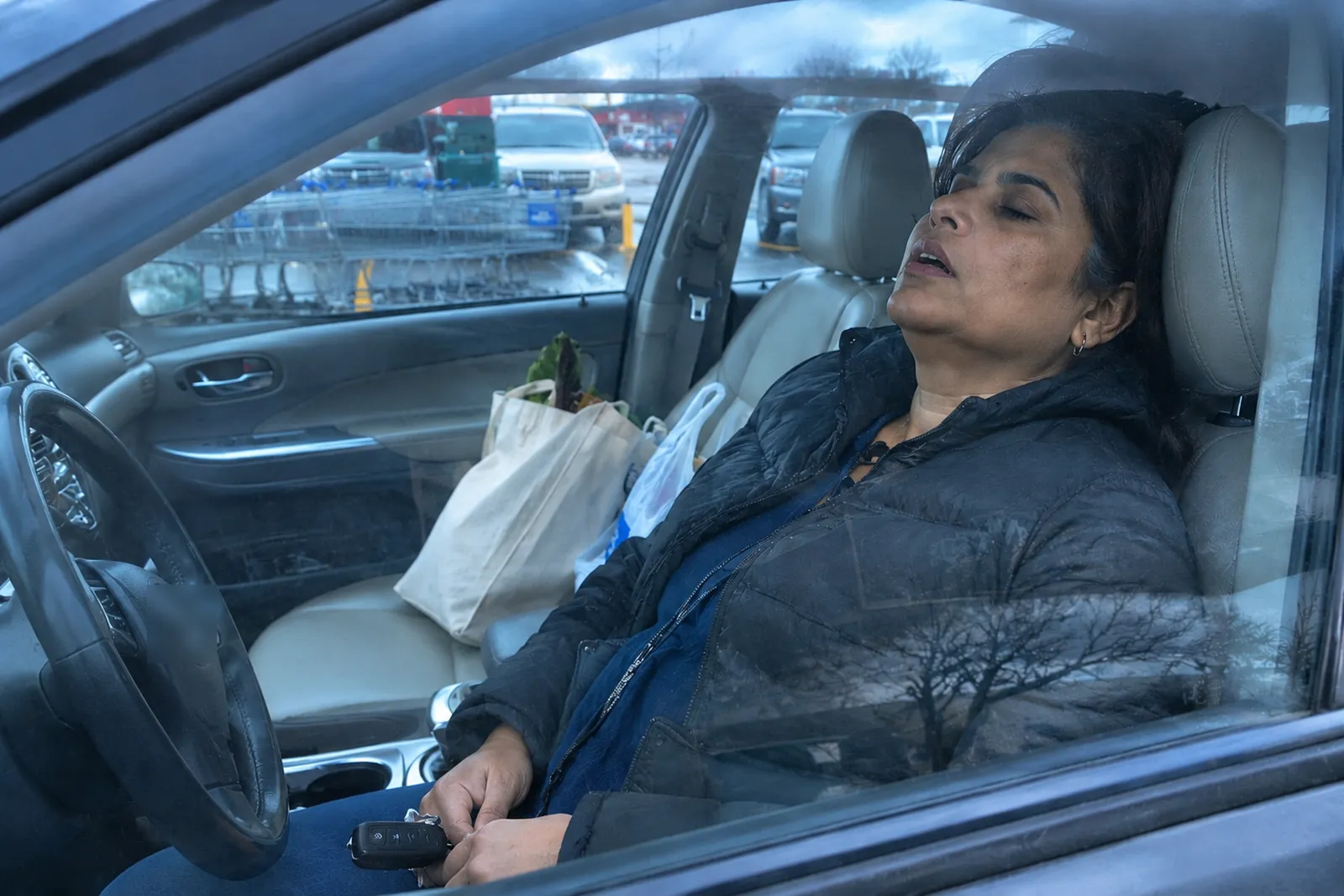
Burnout rarely arrives all at once. It creeps in, one short night and one missed lunch at a time, until one day you realize you can't remember the last time you felt like yourself.
Dementia caregiver burnout is a state of physical, emotional and mental exhaustion that comes from caring for someone over a long time without enough rest or support. Dementia care carries particular weight: in 2024, family and other unpaid caregivers of people living with dementia in the US gave an average of nearly 31 hours of care a week, and many had been caring for years (Alzheimer's Association, 2025 Facts and Figures).
Here are twelve warning signs, and one practical thing to do about each.
For any family caregiver of someone living with dementia, at any stage. This article is general information. If you are worried about your health, please talk to your doctor.
Physical signs of dementia caregiver burnout
1. You're exhausted even after you sleep
What to do: Protect one longer stretch of sleep a few nights a week. Ask a family member or a paid aide to take overnight duty, even once a week.
2. You get sick more often
Colds that won't go away, headaches, back pain. Long-term stress wears down the body.
What to do: Book your own checkup and keep it. Tell your doctor you are a caregiver.
3. Your sleep or appetite has changed
What to do: Keep one simple routine for yourself, like eating breakfast sitting down, no matter how the night went.
4. You've stopped going to your own appointments
What to do: Put your appointments in the same calendar as theirs, with the same reminders. They matter just as much. In OneSelf you can type it the way you'd say it, "my dentist Tuesday at 10", and the reminder is set.
Emotional signs of caregiver burnout
5. You snap more than you used to
Losing your temper with the person you care for, then feeling terrible about it, is one of the clearest signs that you are running on empty.
What to do: When you feel it rising, step into another room for two minutes and breathe slowly. Coming back calmer helps you both.
6. You feel numb or hopeless
What to do: Tell someone how you really feel today. A friend, a support group, or a counselor. Numbness grows in silence.
7. Resentment is building
Resentment toward siblings who don't help, or even toward the person you love. It's common, and it's a signal.
What to do: Name exactly what you need, then ask for it in specific terms. "I need Saturday mornings off" is easier to say yes to than "I need more help."
8. You feel trapped
What to do: Look into respite care, which gives caregivers a planned break for a few hours or a few days. Adult day programs are another option.
Social and behavioral signs
9. You've pulled away from friends
What to do: Keep one standing connection, even a weekly phone call. Caregiver support groups, in person or online, can also help you feel less alone.
10. You've lost interest in things you used to enjoy
What to do: Start very small. Ten minutes of something that is only for you, every day.
11. You're relying on alcohol, food or screens to get through
What to do: Notice it without judging yourself, and tell your doctor. It is a common way of coping with too much, and there is better support available.
12. You have thoughts of harming yourself, or that you can't go on
This is the most urgent sign on this list. Please reach out right away. Call or text 988, the Suicide and Crisis Lifeline, at any time. If you are in immediate danger, call 911.
Where to get help with caregiver burnout
| Help | What it offers | How to reach it |
|---|---|---|
| 988 Suicide and Crisis Lifeline | Free, confidential support at any hour | Call or text 988 |
| Alzheimer's Association 24/7 Helpline | Advice, information and someone to talk to about dementia care | 1-800-272-3900 |
| Caregiver Action Network | Support for family caregivers | 1-855-227-3640 |
| Eldercare Locator | Local respite care, adult day programs and caregiver services | eldercare.acl.gov or 1-800-677-1116 |
Taking care of yourself is part of the care
When you are rested, you have more patience, better judgment and more warmth to give. Looking after yourself isn't selfish. It's how you keep going.
Frequently asked questions
What are the signs of dementia caregiver burnout?
Common signs include constant exhaustion, getting sick more often, irritability, feeling numb or hopeless, resentment, withdrawing from friends, and losing interest in things you used to enjoy.
Where can I get respite care for someone with dementia?
Your local Area Agency on Aging can tell you about respite care and adult day programs near you. Find it through the Eldercare Locator at eldercare.acl.gov or 1-800-677-1116.
Who can I talk to if I feel overwhelmed as a caregiver?
You can call the Alzheimer's Association 24/7 Helpline at 1-800-272-3900. If you are in crisis, call or text 988 at any time.
Keep reading
This article is general information and is not medical, legal or financial advice. If you or someone you care for is in crisis, call or text 988, or call 911 in an emergency.